

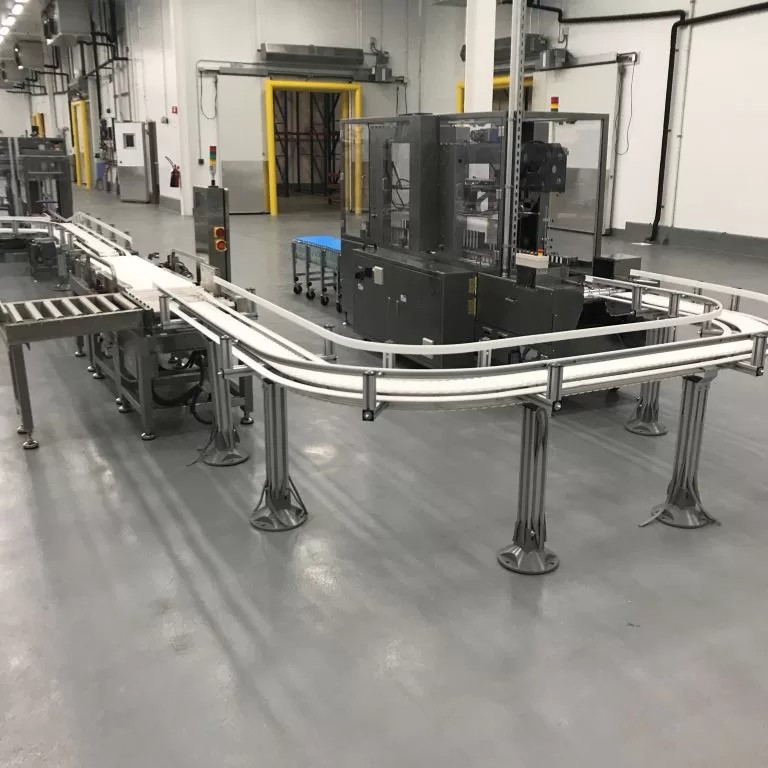
The flooring inside a commercial kitchen faces constant stress throughout the day. Hot liquids, grease, heavy appliances, and continuous foot traffic can quickly damage surfaces that are not designed for demanding food service environments. Business owners and facility managers need flooring systems that support safety, hygiene, and long-term durability without creating ongoing maintenance problems.
Commercial kitchen flooring NJ facilities depend on must meet strict performance standards. Food preparation spaces require surfaces that remain easy to clean while resisting moisture and chemical exposure. Modern commercial kitchen flooring solutions are designed to improve workplace safety and maintain sanitary conditions in restaurants, cafeterias, catering facilities, and other food service operations.
The Importance of High-Quality Commercial Kitchen Flooring
Commercial kitchens are fast-paced environments where flooring performance directly impacts safety and efficiency. Choosing the right flooring system helps reduce accidents, maintain cleanliness, and extend the lifespan of the surface.
Supporting Sanitary Conditions in Food Preparation Areas
Sanitation is one of the most important priorities in any kitchen environment. Floors should be smooth and non-porous to help prevent bacteria growth and moisture penetration. Seamless flooring systems eliminate cracks and joints where dirt and contaminants can collect.
Commercial kitchen flooring NJ facilities install often includes seamless resin systems because they provide reliable sanitation benefits and easy maintenance.
Managing Heavy Traffic and Equipment Loads
Commercial kitchens experience constant movement from employees, carts, and equipment. Flooring systems must withstand this daily wear without cracking or deteriorating.
Protecting Floors from Daily Damage
Heavy appliances and rolling equipment can damage weak flooring materials over time. Durable commercial kitchen flooring systems resist impact damage and maintain their appearance even under demanding conditions.
Features That Define Effective Commercial Kitchen Flooring
Not every flooring material is suitable for food service environments. The best flooring systems combine durability, slip resistance, and easy maintenance.
Slip Resistance and Employee Safety
Kitchen floors frequently become wet from spills, cleaning activities, and food preparation. Slip-resistant flooring textures help reduce workplace accidents while supporting safe movement throughout the facility.
Commercial kitchen flooring should provide traction without making cleaning difficult. Properly textured surfaces create a safer work environment while maintaining hygiene standards.
Resistance to Chemicals and Cleaning Products
Commercial kitchens use strong cleaning agents and sanitizers every day. Flooring systems must resist chemical exposure without staining or weakening.
Long-Term Performance in Harsh Conditions
High-quality flooring systems are designed to handle extreme conditions including moisture, grease, temperature changes, and heavy cleaning routines. Durable surfaces reduce repair costs and improve operational efficiency.
Commercial Kitchen Flooring NJ Requirements for Compliance
Food service facilities in New Jersey must follow strict construction and sanitation standards. Flooring plays a major role in meeting these requirements.
The Importance of Seamless and Coved Flooring Systems
Health regulations often require flooring systems with coved bases where the floor meets the wall. This design helps eliminate hard-to-clean corners and improves sanitation.
Commercial kitchen flooring NJ property owners choose should also remain smooth and easy to clean to support food safety compliance.
Why Certain Flooring Materials Are Not Recommended
Some traditional flooring products cannot withstand the conditions found in commercial kitchens. Materials that absorb moisture or break down under grease exposure may create sanitation concerns.
Avoiding Expensive Flooring Failures
Damaged flooring can disrupt kitchen operations and increase maintenance expenses. Investing in durable commercial kitchen flooring helps businesses avoid frequent repairs and replacement costs.
Benefits of Professional Commercial Kitchen Flooring Installation
A properly installed flooring system provides better durability, safety, and long-term value. Professional installation helps ensure reliable performance in demanding environments.
Preparing the Surface for Maximum Durability
Surface preparation is a critical part of the installation process. Floors must be properly cleaned and repaired before new systems are applied. Strong adhesion improves the lifespan and performance of commercial kitchen flooring.
Commercial kitchen flooring NJ installation specialists understand the unique requirements of food service facilities and use methods designed for long-lasting results.
Reducing Downtime for Food Service Businesses
Restaurant owners and facility managers often need flooring installations completed quickly to minimize operational interruptions. Fast-curing systems can help businesses resume operations more efficiently.
Maintaining Flooring Systems After Installation
Routine cleaning and inspections help preserve the condition of commercial kitchen flooring. High-performance surfaces are easier to maintain and continue performing well under heavy use.
Conclusion
Commercial kitchen flooring plays an essential role in maintaining safety, hygiene, and operational efficiency in food service environments. Businesses need flooring systems that resist moisture, grease, chemicals, and heavy traffic while remaining easy to clean and maintain.