

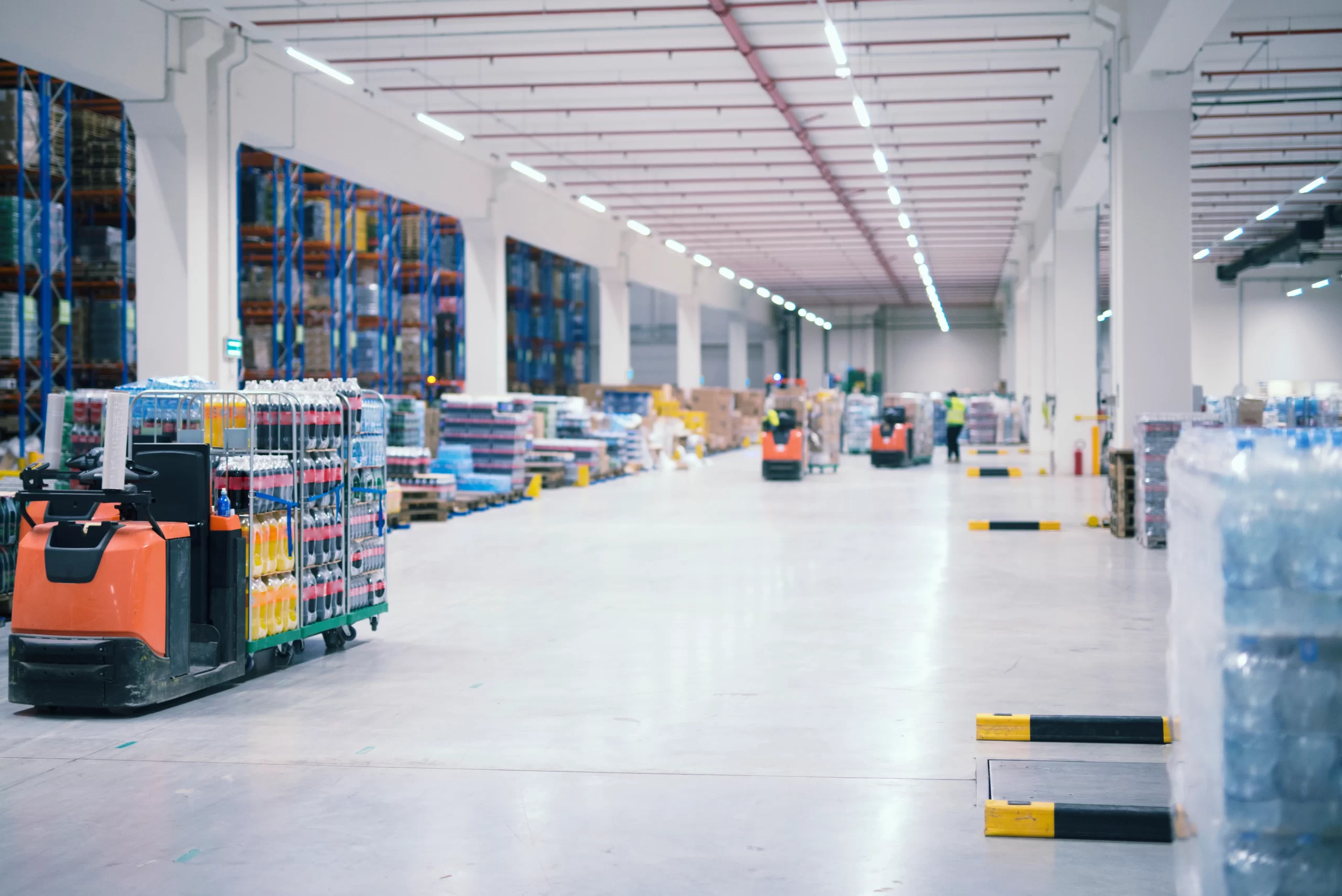
Food and beverage processing plants operate in demanding environments where flooring must withstand heavy machinery, constant moisture, chemical exposure, and strict sanitation requirements. Choosing the right flooring system is essential to maintain operational efficiency, safety, and hygiene. Durable food and beverage flooring for processing plants provides a reliable solution designed to handle these challenging conditions.
Modern industrial flooring systems are engineered to resist wear, contamination, and temperature fluctuations while supporting strict food safety regulations. With the right flooring solution, processing plants can maintain a clean production environment and ensure long-term performance.
Why Flooring Is Critical in Food Processing Facilities
In food and beverage manufacturing environments, floors face daily exposure to water, oils, acids, cleaning chemicals, and heavy equipment. Traditional flooring materials often struggle to handle these conditions, leading to cracks, contamination risks, and costly repairs.
Durable industrial flooring systems are designed specifically for these environments. They create a seamless, protective surface that prevents bacteria buildup, supports hygiene protocols, and withstands heavy operational demands.
Proper flooring also contributes to employee safety by reducing slip hazards and improving workplace conditions.
Key Features of Durable Food and Beverage Flooring
Seamless and Hygienic Surfaces
One of the most important characteristics of food processing flooring is its seamless design. Floors without joints or grout lines prevent dirt, bacteria, and moisture from accumulating in hidden areas.
This seamless structure makes cleaning easier and helps facilities meet strict sanitation standards required in food production environments.
Chemical and Corrosion Resistance
Food processing plants regularly use powerful cleaning agents and sanitizers to maintain hygiene. Durable flooring systems are designed to resist acids, oils, and chemicals without degrading.
This chemical resistance protects the floor from stains, corrosion, and long-term structural damage.
Slip-Resistant Safety
Water, grease, and spills are common in food and beverage facilities. Slip-resistant flooring helps prevent accidents by improving traction in wet environments.
Special textures and aggregates can be incorporated into the floor surface to enhance grip and maintain a safe working environment.
High Impact and Load Resistance
Processing plants often use heavy equipment such as mixers, conveyors, storage tanks, and forklifts. Durable flooring systems are engineered to withstand these loads without cracking or deteriorating.
Strong industrial coatings provide impact resistance and maintain structural integrity even under continuous heavy use.
Moisture and Thermal Shock Resistance
Food processing environments frequently experience temperature changes due to hot liquids, steam cleaning, or refrigeration systems.
Durable flooring systems are designed to resist thermal shock and moisture penetration, ensuring they remain stable despite rapid temperature fluctuations.
Types of Flooring Used in Food and Beverage Processing Plants
Different types of industrial flooring systems are available depending on the specific needs of the facility.
Epoxy Flooring Systems
Epoxy flooring is widely used in food processing plants because it creates a seamless, non-porous surface that resists chemicals, stains, and moisture. Epoxy coatings also provide strong adhesion to concrete substrates.
Urethane Cement Flooring
Urethane cement flooring is often considered one of the most durable options for food production facilities. It offers exceptional resistance to heat, chemicals, and heavy traffic.
This flooring type is commonly installed in areas exposed to hot water washdowns and extreme temperature changes.
Quartz Broadcast Flooring
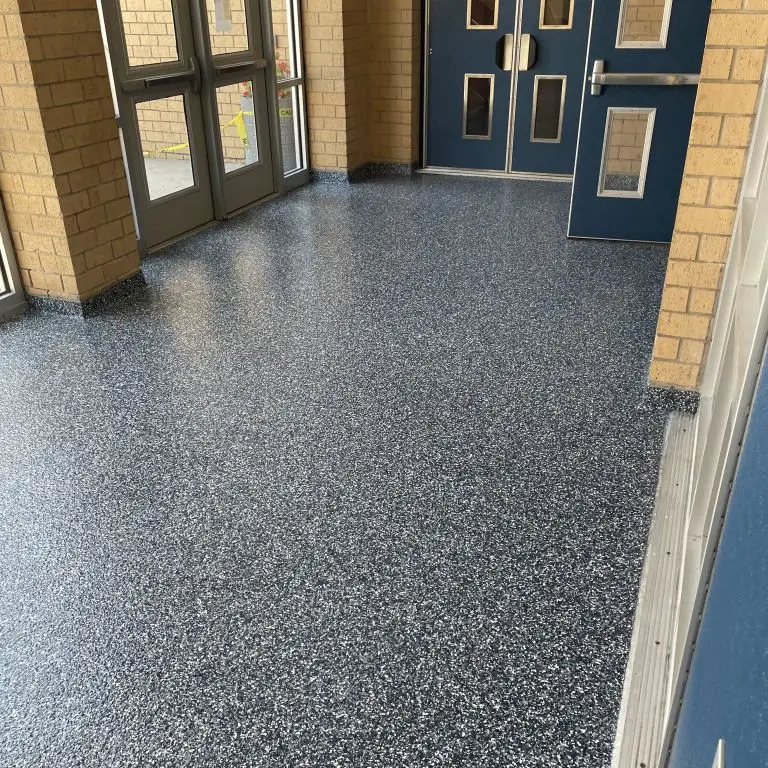
Quartz broadcast systems combine resin with quartz aggregates to create a textured, highly durable surface. This flooring is ideal for areas where slip resistance and durability are essential.
Polyurethane Flooring
Polyurethane flooring systems offer excellent chemical resistance and flexibility, making them suitable for areas exposed to aggressive cleaning agents and constant moisture.
Benefits of Durable Industrial Flooring for Food Plants
Compliance with Food Safety Standards
Food production facilities must comply with strict regulatory guidelines. Durable flooring helps maintain sanitary conditions required for food safety inspections.
Reduced Maintenance Costs
Industrial flooring systems are designed for long service life, reducing the need for frequent repairs or replacements.
Improved Workplace Safety
Slip-resistant surfaces help prevent accidents in wet or oily environments, improving overall worker safety.
Enhanced Cleanliness and Hygiene
Seamless flooring systems prevent contamination and allow for quick, effective cleaning during routine sanitation procedures.
Long-Term Durability
High-performance flooring systems are built to withstand heavy equipment, constant traffic, and aggressive cleaning methods, ensuring reliable performance over time.
Installation Process for Industrial Food Processing Flooring
Professional installation is essential to ensure the flooring system performs correctly in demanding environments.
Surface Preparation
The concrete substrate is cleaned and mechanically prepared to remove contaminants and create the proper profile for adhesion.
Repairing the Concrete Base
Cracks, holes, and damaged areas are repaired to create a strong and stable foundation for the flooring system.
Primer and Base Layers
A primer is applied to improve bonding, followed by the base coating that provides structural strength.
Texture and Aggregate Application
Slip-resistant aggregates may be added to improve traction and durability.
Protective Topcoat
A final protective coating enhances chemical resistance, durability, and overall performance.
Conclusion
Durable food and beverage flooring for processing plants plays a vital role in maintaining safe, hygienic, and efficient production environments. These flooring systems are designed to withstand the unique challenges of food manufacturing, including moisture, chemicals, heavy equipment, and strict sanitation requirements.
By investing in high-performance industrial flooring, food processing facilities can improve safety, maintain regulatory compliance, and ensure long-term durability. The right flooring solution not only supports efficient operations but also protects the integrity of the entire production environment.