


Concrete gets treated like it’s indestructible, which is a little unfair considering how much abuse it actually takes without any real protection. Forklifts rolling over it, chemicals spilled on it, temperature swings cracking it from the inside out – bare concrete just wasn’t designed to handle all of that solo, and eventually it starts to show.
Most people don’t notice the wear until it’s already a problem. A hairline crack here, some dusting there, maybe a patch where moisture’s been seeping through. By the time it’s visually obvious, the floor’s usually already lost a good chunk of its structural integrity underneath.
What’s Actually Happening When Concrete Wears Down
Bare concrete is porous, which means it soaks up oil, chemicals, and moisture like a sponge over time. That absorption weakens it from within, leading to cracking, dusting, and eventually pretty serious structural issues if nobody steps in. It’s kind of a slow-motion problem – nothing happens overnight, but it definitely adds up.
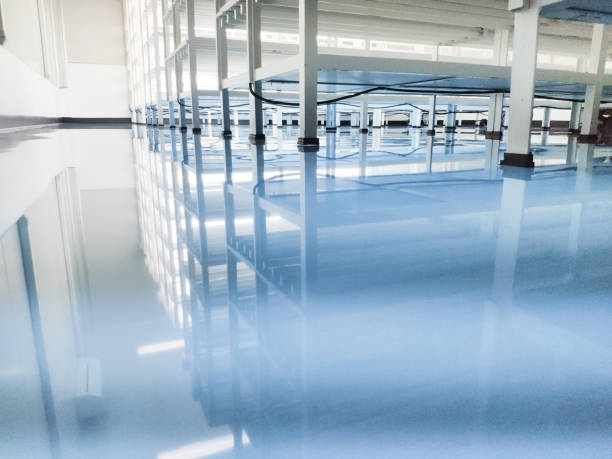
That’s really the whole reason epoxy floor coating exists as a category. It creates a seamless, protective barrier over the concrete that blocks moisture and chemicals from soaking in, while also giving the surface way better resistance to impact and everyday wear.
Why This Approach Beats Just Patching Problems As They Show Up
A lot of facilities fall into a pattern of reactive maintenance – patch the crack, seal the spot, repeat every few months. It works, technically, but it’s exhausting, and it never actually solves the underlying issue. A proper coating flips that whole approach by protecting the floor before damage happens instead of chasing it afterward.
- Worth remembering: the coating is only as good as the surface prep beneath it, so skipping that step to save a bit of time almost always backfires later.
Get that part right, though, and you’re looking at a floor that can realistically go years without needing any real intervention. That’s a pretty big shift from constantly patching things reactively.
The Ripple Effects Nobody Really Talks About
Beyond the obvious durability boost, there’s a visual upgrade too – a freshly coated floor just looks more professional, whether it’s a warehouse, retail space, or garage. Customers and employees notice that kind of thing even if they couldn’t tell you exactly why. There’s also a maintenance side benefit, since a sealed, seamless surface is genuinely easier to clean than raw concrete ever was.
Bringing It All Together
Concrete doesn’t have to be a losing battle against time, chemicals, and daily wear. With the right protective layer, it can hold up for years longer than most people expect, and honestly, that’s a much better use of a maintenance budget than constant patchwork. If you’re staring at a floor that’s starting to show its age, High Performance Systems has helped a lot of businesses get ahead of that problem before it turns into something bigger and more expensive. A little protection now really does go a long way toward avoiding a much bigger headache later.
FAQs
- How long does a properly applied coating last?
With good prep and maintenance, many coatings hold up well for a decade or more.
- Does it work on older, damaged concrete?
In most cases, yes, though badly damaged areas may need repair first before coating can be applied effectively.
- Is it resistant to chemicals and oil?
Yes, that resistance is actually one of its biggest selling points, especially for industrial and automotive spaces.
- Will it change how the floor looks?
Definitely – most coatings give the surface a smoother, glossier, more finished appearance compared to bare concrete.
- How soon can the space be used after application?
It varies by product, but many allow light use within a day or two, with full cure taking a little longer.